
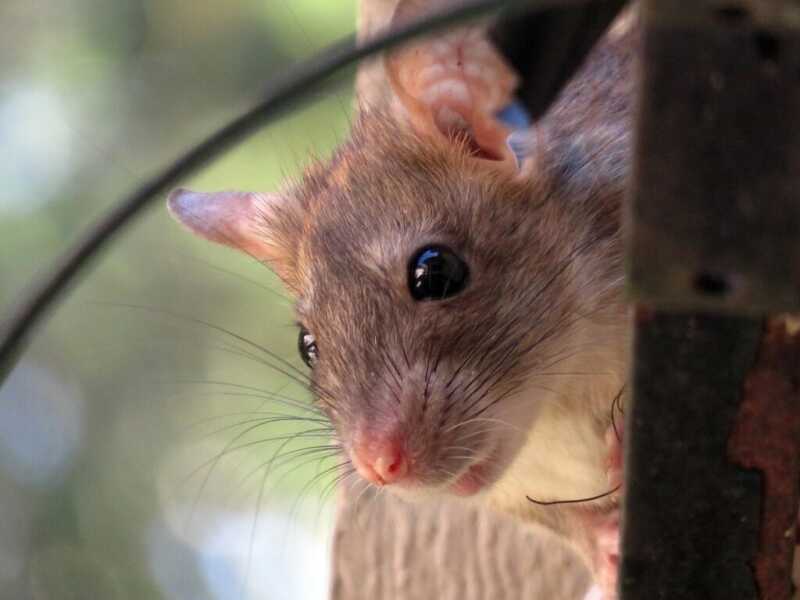
Rodents are among the most destructive, dangerous, and economically costly pests in Australia. The Black Rat (Rattus rattus), Brown Rat (Rattus norvegicus), and House Mouse (Mus domesticus) collectively cause hundreds of millions of dollars in damage to Australian homes, businesses, vehicles, and stored food each year. They carry and transmit at least 35 known diseases to humans and domestic animals, contaminate far more food than they eat, and can reduce the structural integrity of a building through relentless gnawing. In Ipswich and the Greater Brisbane region, rodent pressure is significant year-round, intensifying during cooler months when rats and mice actively seek warm harbourage and food inside homes and sheds. This comprehensive guide — written by Jets Pest Control, Ipswich’s 2024 Small Business of the Year — covers everything you need to know about rodent biology, risk, prevention, pest-proofing, APVMA-approved treatment options, and professional rodent control services.
Contents: Species Identification | Biology & Behaviour | Property Damage | Health & Disease Risks | Food Safety & Contamination | Conducive Conditions | Pest-Proofing Your Home | APVMA Regulations & 2024 Changes | Rodenticide Products | Professional Treatment | Pricing | FAQs
Species Identification: Telling Rats and Mice Apart
Correct species identification is critical before implementing any rodent control program. The three pest rodent species found in Ipswich homes and businesses differ substantially in biology, behaviour, habitat preference, and optimal treatment strategy. Misidentification leads to bait station placement in the wrong locations, the wrong bait type, and failed treatments.
The Black Rat (Rattus rattus) — Roof Rat, Ship Rat, House Rat

The Black Rat is arguably Australia’s most familiar pest rodent and the primary culprit behind roof-space infestations in Queensland homes. Despite its name, the Black Rat is not always black — it ranges from black to grey-brown on the back with a lighter, often grey or cream underside.
Physical Characteristics
- Body length: 16–24 cm (excluding tail)
- Tail: Longer than the body — a reliable distinguishing feature. The tail of Rattus rattus is typically 19–25 cm, noticeably longer than the combined head-and-body length.
- Weight: 75–230 g (adults)
- Ears: Large, prominent, and almost hairless — when pulled forward, the ear reaches or covers the eye
- Snout: Pointed, more slender than the Brown Rat
- Eyes: Large and prominent
- Fur: Smooth, glossy coat; ranges from black to dark brown-grey dorsally, grey-white ventrally
- Droppings: 12–14 mm, spindle-shaped (tapered at both ends), scattered broadly
Habitat and Behaviour
The Black Rat is a highly agile, arboreal climber. It uses power lines, fences, tree branches, and downpipes as aerial highways into roof voids, wall cavities, and ceiling spaces. In Queensland homes, Rattus rattus almost exclusively occupies the upper zones of structures — roof spaces, ceilings, and wall voids above the ground floor. It rarely burrows. Black Rats are neophobic (cautious of new objects in their environment), which means new bait stations may be avoided for several days before the rats accept them.
Rattus rattus was historically associated with the Black Death pandemic, serving as the primary host for fleas carrying Yersinia pestis. While bubonic plague is not a current concern in Australia, the Black Rat remains a primary reservoir for several pathogens relevant to Ipswich households.
Diet
Black Rats are omnivorous but show a strong preference for plant-based foods — fruits, nuts, grains, seeds, and vegetables. They readily exploit compost bins, fruit trees, vegetable gardens, and stored grain. They also eat insects, small lizards, and bird eggs.
Reproduction
Sexual maturity is reached at approximately 3–5 months. A female can produce 3–5 litters per year, with an average of 5–8 pups per litter. Under ideal warm Queensland conditions, breeding occurs year-round with peak activity during autumn and winter when rodents seek indoor warmth and food. A single breeding pair, left unchecked, can theoretically produce over 1,000 descendants within 12 months when accounting for offspring reproduction.
The Brown Rat (Rattus norvegicus) — Norway Rat, Common Rat, Sewer Rat

The Brown Rat is the larger of the two rat species and a powerful burrower. It is the dominant rat species in sewers, drains, subfloor spaces, compost heaps, and dense garden vegetation across Ipswich and south-east Queensland.
Physical Characteristics
- Body length: 19–27 cm (excluding tail)
- Tail: Shorter than the body — a key distinguishing feature from Rattus rattus. The tail is typically 15–21 cm.
- Weight: 200–500 g (adults); some specimens exceed 600 g
- Ears: Smaller and covered with short, dark hair; when pulled forward, the ear does not reach the eye
- Snout: Blunt, broader than Rattus rattus
- Eyes: Smaller and less prominent than the Black Rat
- Fur: Coarser than the Black Rat; brown-grey dorsally, pale grey-white ventrally
- Droppings: 18–20 mm, capsule-shaped (blunt at both ends), often found in concentrated latrine sites
Habitat and Behaviour
Brown Rats are ground-dwelling and burrowing animals. They excavate elaborate tunnel systems under concrete slabs, in garden beds, under garden sheds, along fence lines, and beneath dense vegetation. In Ipswich, they are commonly found in subfloor spaces, sewer systems, compost bins, and areas of dense ground-level harbourage. Unlike the Black Rat, Rattus norvegicus rarely climbs but will enter homes through gaps at ground level, gaps around pipes, damaged subfloor vents, and drain access points.
Brown Rats are also less neophobic than Black Rats and will typically investigate and accept new bait stations within 24–48 hours under active infestation conditions.
Diet
Brown Rats are classic omnivores and highly opportunistic feeders. They consume grains, vegetables, fruit, meat, fish, pet food, refuse, compost, insects, and carrion. They can gnaw through lead pipes to access water sources. A Brown Rat needs approximately 30 g of food and 60 mL of water daily.
Reproduction
Female Brown Rats reach sexual maturity at 5–6 weeks and can produce 5–7 litters per year, with 6–12 pups per litter. With a gestation period of only 21–23 days and a post-partum oestrus occurring within hours of giving birth, breeding potential is extraordinary. A single Brown Rat colony can expand from 2 individuals to over 200 within a single year under ideal conditions.
The House Mouse (Mus domesticus) — Common House Mouse

The House Mouse is the smallest of the three pest rodents and the most prolific. Its small size — it can squeeze through a gap as narrow as 6–7 mm — makes it extraordinarily difficult to exclude from buildings. The House Mouse is the most common rodent pest inside Queensland kitchens, pantries, and roof voids.
Physical Characteristics
- Body length: 7–10 cm (excluding tail)
- Tail: Approximately equal to body length — 7–10 cm, semi-naked, scaly
- Weight: 12–30 g (adults)
- Ears: Large relative to body size, prominent, and thinly haired
- Snout: Pointed
- Fur: Grey-brown dorsally, slightly lighter ventrally; domesticated coat varieties do not represent wild populations
- Droppings: 3–7 mm, rod-shaped with pointed ends; deposited indiscriminately throughout the territory — up to 80 droppings per day per mouse
- Distinguishing feature: Strong, musty ammonia-like urine odour; a distinctive “musty mouse” smell in enclosed spaces is a reliable indicator of active infestation
Habitat and Behaviour
House Mice are highly commensal — they have co-evolved with human habitations over thousands of years. They live in the void spaces of walls, ceilings, roof voids, under kitchen appliances, inside furniture, in subfloor spaces, and within stored goods. They are territorial but highly flexible, establishing foraging ranges of 3–10 metres from their nest. They are primarily nocturnal but will forage during the day in heavily infested environments. Mice are significantly less neophobic than rats — they will investigate new objects, including bait stations, almost immediately upon encountering them.
Diet
House Mice eat approximately 3–5 g of food per day and are facultative drinkers — they can obtain sufficient water from their food alone under most conditions. They strongly prefer cereal grains, seeds, and high-carbohydrate foods but will consume virtually anything available. They gnaw on non-food items including wiring, plastics, and soft metals, primarily to maintain their continuously growing incisor teeth.
Reproduction
House Mice reach sexual maturity in 4–6 weeks. Females produce 5–10 litters per year, with 5–6 pups per litter, and a gestation period of just 19–21 days. In the warmth of a Queensland home, breeding is continuous year-round. One female mouse can theoretically produce over 2,000 descendants within a 12-month period. This extraordinary reproductive capacity explains why mouse infestations escalate so rapidly — what appears to be a minor issue in April can be a full infestation by June.
Quick Identification Reference Table
| Feature | Black Rat (Rattus rattus) | Brown Rat (Rattus norvegicus) | House Mouse (Mus domesticus) |
|---|---|---|---|
| Body length | 16–24 cm | 19–27 cm | 7–10 cm |
| Weight | 75–230 g | 200–500 g | 12–30 g |
| Tail vs body | Tail longer than body | Tail shorter than body | Tail equal to body |
| Ears | Large, hairless, reach eye when folded | Small, hairy, don’t reach eye | Large relative to body |
| Snout | Pointed | Blunt | Pointed |
| Droppings | 12–14 mm, spindle-shaped | 18–20 mm, capsule-shaped | 3–7 mm, rod-shaped |
| Habitat | Roof voids, ceilings, walls | Subfloor, burrows, drains | Wall voids, kitchens, roof spaces |
| Climbing | Excellent | Poor | Good |
| Burrowing | No | Yes — extensive | Occasionally |
The Real Cost of Rodents: Property Damage, Structural Risk, and Financial Loss
Rodents do not merely consume food — they destroy infrastructure. The incisor teeth of rats and mice grow continuously at a rate of approximately 0.4 mm per day, compelling them to gnaw constantly to maintain a functional bite. They will gnaw through virtually any material that is softer than their teeth, which, at a hardness rating of around 5.5 on the Mohs scale, includes concrete, lead, aluminium, copper, PVC, timber, insulation, and plastic conduit.
Electrical Wiring and Fire Risk
Rodent gnawing on electrical wiring is the leading cause of insurance-attributed structural fires with no identified human cause in Australia. The CSIRO has estimated that rodents may be responsible for up to 20–25% of undetermined house fires annually. When rats or mice strip insulation from wiring in roof voids or wall cavities, exposed conductors can arc against adjacent timber framing, roof insulation batts, or stored materials. This creates a fire ignition source that may smoulder undetected for hours before breaking into open flame. Particular risks include:
- Gnawing on 240V cables in roof voids, particularly around downlights and junction boxes
- Stripping insulation from security system wiring, data cables, and telephone lines
- Damaging automotive wiring in garages — a well-documented problem in parked vehicles, caravans, and motorhomes
- Compromising solar inverter wiring and DC solar panel cables in roof spaces
- Gnawing on gas appliance connector hoses
Insurance implications: Most home and contents insurance policies cover rodent damage to wiring if the claim can be substantiated. However, claims can be disputed if the insurer determines the infestation was pre-existing and the homeowner failed to act on known signs. Regular pest inspections and prompt action on rodent activity are essential to maintain both safety and insurability.
Water Damage from Gnawed Pipes
Brown Rats are particularly notorious for gnawing through water supply pipes, including copper and lead pipes beneath concrete slabs and in wall cavities. Flexible polymer-lined water hoses under sinks and behind dishwashers are especially vulnerable. A gnawed water pipe in a wall cavity or under a slab may leak undetected for weeks, resulting in mould growth, concrete spalling, subfloor flooding, and structural timber decay. The repair cost for a single burst pipe in a wall cavity — including leak detection, opening the wall, replumbing, and reinstatement — typically ranges from $1,500 to $8,000 or more.
Structural Timber and Building Materials
Rodents will gnaw through timber floor joists, roof trusses, architraves, weatherboards, skirting boards, and structural members to create or enlarge entry points and to collect nesting material. Over time, gnawing damage to load-bearing elements can compromise structural integrity. They also shred roof insulation batts, glasswool insulation, pipe lagging, and foam-backed carpet underlay for nesting material, reducing the energy efficiency of the building and creating fire hazards.
Vehicle Damage
Modern vehicles are particularly vulnerable to rodent damage. Soy-based and plant-derived electrical wire insulation, introduced across the automotive industry from approximately 2012 onward, is highly attractive to rats and mice. Rodents gain access to engine bays, dashboards, and wiring harnesses through wheel arches, bonnet gaps, and ventilation intakes. Common vehicle damage includes:
- Gnawed wiring harnesses — repair costs commonly range from $500 to $8,000+ depending on the vehicle and the extent of damage
- Blocked air filters from nesting material
- Damaged brake fluid reservoirs and washer fluid lines
- Nests within air conditioning ducts (discovered when the blower is operated)
- Damage to hybrid vehicle high-voltage cable insulation — an extreme safety hazard
Vehicles parked near harbourage areas — overgrown gardens, timber piles, compost heaps, or dense shrubs — are at highest risk. Garages without rodent exclusion on door seals are essentially open invitations.
Food Spoilage and Contamination of Stored Goods
Rodents contaminate vastly more food than they consume. A single rat can produce approximately 50 droppings, 32 mL of urine, and thousands of hair fragments per day. These contaminants are deposited across every surface the animal traverses — pantry shelves, food preparation benches, inside food packaging, and across the top of sealed containers. Research from the University of Sydney suggests that for every kilogram of food a rat directly consumes, it contaminates 10–15 kg through faecal and urinary contamination that renders food unsafe for human consumption.
Damage to Personal Property
Rats and mice gnaw through clothing, footwear, books, documents, toys, furniture upholstery, and any stored soft material that can serve as nesting substrate. Items stored in cardboard boxes in roof voids, garages, and garden sheds are at particular risk. Sentimental and irreplaceable items — family photographs, documents, handmade items — are frequently destroyed. Beyond direct destruction, rodent urine permanently stains and odour-contaminates soft furnishings, carpets, and stored garments.
Health and Safety Risks: Diseases Carried and Transmitted by Rodents
Rodents are among the most significant zoonotic disease vectors in the world. The World Health Organization identifies rodents as reservoirs or vectors for over 35 diseases directly or indirectly transmissible to humans. In Australia, while some historically significant rodent-borne diseases (such as plague) are not currently active, several pathogens carried by rats and mice in Queensland present genuine, documented public health risks.
Direct Transmission Diseases
Direct transmission occurs through contact with rodent urine, faeces, saliva, or body tissues — including bite wounds, contact with contaminated surfaces, or inhalation of aerosols from dried rodent excreta.
Leptospirosis
Leptospirosis is caused by Leptospira bacteria shed in the urine of infected rodents, particularly Brown Rats (Rattus norvegicus), which are a primary reservoir. The bacteria can survive in moist soil or water for weeks to months. Humans are infected through contact with contaminated water, soil, or surfaces — particularly through cuts or abrasions in the skin, or through mucous membranes. In Queensland, leptospirosis is an occupational hazard for plumbers, pest controllers, farmers, abattoir workers, and people who garden or work in areas with rat activity near water. Symptoms range from mild flu-like illness to severe Weil’s disease, which causes acute kidney and liver failure with a mortality rate of approximately 5–40% in untreated severe cases. Queensland Health notifies leptospirosis as a notifiable condition, with consistent case numbers reported in the state each year.
Rat-Bite Fever
Rat-bite fever is caused by Streptobacillus moniliformis or Spirillum minus, both of which are carried in the nasopharyngeal flora of rats. Transmission occurs via bite or scratch, or through consumption of food or water contaminated by rat saliva or urine (Haverhill fever). Symptoms include fever, rash, and joint pain, with rare but documented fatalities in untreated cases. Children and immunocompromised individuals are at greatest risk.
Salmonellosis
Salmonella species are commonly shed in rodent faeces, and this is one of the most significant food safety risks associated with rodent infestations in domestic kitchens and food businesses. Rodents defecate indiscriminately across food preparation surfaces, in dry food storage areas, and within food packaging. Salmonella can remain viable on dry surfaces for weeks. The clinical presentation ranges from mild gastroenteritis to life-threatening bacteraemia in the elderly, young children, and immunocompromised patients.
Hantavirus
Hantaviruses are carried by rodents worldwide. While Hantavirus Pulmonary Syndrome (HPS) and Haemorrhagic Fever with Renal Syndrome (HFRS) are primarily associated with rodent species in North America and Europe, Australian health authorities continue to monitor for hantavirus activity in local rodent populations. Transmission occurs primarily through inhalation of aerosols from dried rodent urine, faeces, or saliva — an important risk when disturbing rodent nesting areas in roof voids or storage areas without appropriate respiratory protection.
Seoul Virus
Seoul virus is a hantavirus carried specifically by Rattus norvegicus (Brown Rats) worldwide, including in Australia. It causes a mild to moderate haemorrhagic fever with renal syndrome. Cases in Australia are uncommon but have been documented, and surveillance of Brown Rat populations continues.
Lymphocytic Choriomeningitis Virus (LCMV)
LCMV is an arenavirus primarily harboured by the House Mouse. It is shed in urine, faeces, saliva, and blood. Infection in healthy adults typically causes a mild febrile illness, but infection during pregnancy can cause severe neurological birth defects or foetal death. Immunocompromised individuals can develop encephalitis. LCMV is a significant, under-recognised risk in households with mouse infestations.
Indirect Transmission: Rodents as Vector Hosts
Beyond direct pathogen carriage, rodents serve as amplifying hosts for ectoparasites — fleas, ticks, and mites — that transmit additional diseases to humans and domestic animals.
- Fleas: Rats carry the Oriental rat flea (Xenopsylla cheopis), which historically transmitted bubonic plague and currently transmits Rickettsia typhi (murine typhus). When rodents die from rodenticide or other causes, rat fleas actively seek alternative hosts — including humans, cats, and dogs. This flea dispersion is an important consideration in rodent control planning and is one reason why flea treatment is sometimes recommended alongside rodent programs.
- Ticks: Both rats and mice serve as hosts for immature stages of several Australian tick species, including Ixodes holocyclus (paralysis tick). Increased rodent activity can elevate tick pressure around Ipswich properties.
- Mites: House mice are the primary host for the tropical rat mite (Ornithonyssus bacoti), which bites humans and causes severe dermatitis. Rodent mite infestations following rodent die-off events are a well-documented secondary pest problem.
Allergies and Respiratory Health
Rodent urinary proteins — particularly the major urinary protein (MUP) Mus m 1 from mice — are potent aeroallergens. In homes with active mouse infestations, these proteins accumulate in house dust and become airborne, triggering asthma exacerbations and allergic rhinitis, particularly in children. Research published in the Journal of Allergy and Clinical Immunology has established mouse allergen exposure as an independent risk factor for asthma severity in urban children. Rat allergens similarly sensitise individuals living in infested homes. Beyond allergens, the dried faeces and urine of rodents contribute endotoxins and fungal spores to indoor air quality, further exacerbating respiratory conditions.
Bite Risk
Rat bites are an occupational hazard for pest controllers and can occur in domestic settings, particularly to sleeping infants, toddlers, the elderly, and people who are intoxicated or heavily medicated. Brown Rats can be aggressive when cornered. Any rodent bite requires immediate medical attention — wound cleaning, tetanus prophylaxis assessment, and consideration of post-exposure management for leptospirosis and rat-bite fever. Rat bites to infants during sleep, while uncommon, are documented in Queensland.
Food Safety and Contamination Risks
The food safety risk posed by rodent infestations extends well beyond obvious signs of gnawing. Rodent contamination of food is primarily invisible — urine trails, micro-droppings, and hair contaminate food preparation surfaces and stored products silently and continuously. In food businesses, a confirmed rodent infestation can trigger immediate closure notices from the Queensland Department of Agriculture and Fisheries and local council health inspectors under the Food Act 2006 (Qld).
How Rodents Contaminate Food
- Urination: Rats and mice urinate frequently and continuously while moving. A single rat deposits up to 32 mL of urine per day across every surface it traverses. Mouse urine contains UV-fluorescent compounds detectable under blacklight inspection.
- Defecation: Mice produce up to 80 droppings per day; rats produce approximately 50. Droppings are deposited in food storage areas, within packaging, on shelving, and directly into food containers.
- Hair contamination: Rodents shed between 1,000 and 1,500 hairs per day. Loose hairs are virtually invisible in flour, grain, sugar, and processed food products.
- Saliva: Gnawing exposes the internal contents of food packages to rodent saliva, which can carry multiple pathogens.
- Secondary contamination from paws: Rodents travel through sewers, compost heaps, dead animal carcasses, and other contaminated environments, then walk directly across food preparation surfaces, cutlery drawers, and crockery.
Regulatory Framework for Food Businesses
Under the Food Standards Australia New Zealand Food Safety Standard 3.2.3, food businesses have a legal obligation to maintain pest management programs and must be able to demonstrate that they take all reasonable measures to prevent pests from entering and harbourage in food premises. Evidence of rodent activity — droppings, smear marks, gnaw damage, urine traces, or live/dead rodents — constitutes a critical food safety violation. Pest control programs for food businesses must be conducted by licensed pest management technicians using APVMA-approved products, with records maintained for audit.
Domestic Kitchen Contamination
In domestic homes, the risk is equally significant even if regulatory consequences do not apply. Common contamination points include unsealed dry goods in pantries, pet food stored in open bags, unsealed compost caddy under the kitchen sink, cereals in cardboard packaging, and bread bins. Any food that has been accessed by rodents — or that shares a confined space (such as a pantry shelf) with rodent activity — should be considered contaminated and disposed of.
Conducive Conditions: What Attracts Rodents to Your Property
Effective, long-term rodent management is impossible without addressing the conditions that make a property attractive to rodents. Rodenticide programs without environmental modification will fail — the colony will be reduced, but the property will continue to attract and support new populations as long as harbourage and food sources remain available. Addressing conducive conditions is not optional — it is the foundation of any successful rodent management program.
Food Sources
- Fruit trees: Fallen fruit is one of the most significant attractants for Black Rats and Brown Rats in Ipswich. Properties with mango, citrus, fig, avocado, and stone fruit trees that allow fruit to accumulate on the ground create a reliable food source that sustains large rodent populations. Regular fruit collection and disposal is essential.
- Vegetable gardens: Open vegetable gardens without physical rodent protection attract both rats and mice. In-ground vegetable beds are best protected with wire mesh barriers.
- Compost bins: Compost containing cooked food, meat scraps, or dairy is an extremely attractive food source for rodents. Use compost bins with rodent-resistant bases and avoid adding prohibited materials. Turn compost regularly.
- Pet food: Pet food left outdoors overnight, or stored in open bags in sheds and garages, is a primary attractant. Feed pets at scheduled times and remove uneaten food promptly. Store pet food in metal or hard plastic rodent-proof containers.
- Bird feeders: Seed feeders attract ground-feeding birds and rats simultaneously. The spillage of seed below feeders creates an abundant, low-effort food source. Use baffled feeders that minimise seed spillage, or discontinue feeding during active rodent infestations.
- Rubbish and recycling: Bins with unsecured lids, recycling items with food residue, and rubbish bags left outside overnight are reliable food sources. Use lidded bins, rinse recycling items before storage, and ensure wheelie bins are secured.
- Stored grain and stockfeed: Households with chickens, ducks, goats, or horses that store grain or stockfeed in open sacks or unlocked sheds provide an ideal food source for rats. Store all grain in metal bins with locking lids.
Harbourage (Shelter)
- Dense low-growing vegetation: Ground covers, dense garden beds, ivy, and ornamental grasses within 1–2 metres of building perimeters provide excellent harbourage for Brown Rats and mice. Maintain a clear, vegetation-free zone around building foundations.
- Timber and debris piles: Firewood stacks, piles of construction materials, old roof tiles, timber offcuts, and any stacked material stored on the ground creates ideal rodent harbourage. Store firewood elevated on a rack at least 30 cm off the ground and 30 cm away from walls. Keep building perimeters clear.
- Old vehicles, caravans, and equipment: Disused vehicles, caravans, old sheds, and stored machinery are prime rodent nesting sites. Address disused structures, ensure vehicles are inspected regularly, and store caravans with entry points sealed.
- Subfloor spaces: Subfloor voids beneath homes with broken or missing ventilation screens are major harbourage areas for both Brown Rats and mice. Inspect subfloor access points annually.
- Garden sheds and garages: Unlined garage walls, spaces under shelving, stacked cardboard boxes, and plastic storage containers all provide nesting opportunities. Cardboard is particularly attractive as a nesting material.
Water Sources
Rats require daily access to free water (approximately 30–60 mL per day). Water sources on or adjacent to properties include leaking taps, blocked drains that retain water, birdbaths, fish ponds, pet water bowls, and irrigation leaks. While eliminating all water sources on a residential property is impractical, fixing leaking taps and pipes, emptying birdbaths overnight, and addressing drainage issues reduces the habitat quality for Brown Rats in particular.
Pest-Proofing Your Home: The Definitive Guide to Rodent Exclusion
Pest-proofing — also called rodent exclusion or vermin-proofing — is the process of physically preventing rodents from entering a structure. It is the single most cost-effective long-term investment in rodent management. A properly pest-proofed home dramatically reduces the need for ongoing rodenticide programs and eliminates the risk of repeat infestation. Remember: Mus domesticus can enter through a gap as small as 6 mm — approximately the diameter of a standard pen. Rats require only 12–20 mm. No gap is too small to address.
Weep Hole Protector Screens
Weep holes are intentional openings in brick veneer walls at the base of the cavity, designed to allow moisture drainage and air circulation within the wall cavity. In Australian construction, they are typically spaced every third or fourth brick along the base course and at horizontal damp-proof course transitions. They measure approximately 65–75 mm wide and 10 mm high — more than sufficient for mice to enter. Unprotected weep holes are one of the most common, and most overlooked, rodent entry points in brick-veneer homes across Ipswich.
Solution: Stainless steel or galvanised steel mesh weep hole covers. Weep hole protector screens are purpose-made inserts that fit standard brick weep holes. They allow air and moisture drainage while preventing rodent, insect, and lizard entry. The mesh aperture must be no larger than 1.5 mm to exclude mice effectively. Aluminium weep hole covers are available but less durable — rats can gnaw through aluminium over time. Steel mesh inserts are the preferred solution. Weep hole covers should be installed at the base course and at any upper-floor brick transitions. A full perimeter installation on a standard 4-bedroom house typically costs under $200 in materials and 2–4 hours of labour — one of the highest-value pest-proofing investments available.
Vermin-Proofing Valleys and Gutters on the Roof
The roof perimeter is the primary entry zone for Black Rats (Rattus rattus) in Ipswich homes. Agile roof rats use overhanging tree branches, fences adjacent to walls, and power lines as aerial access, then enter roof voids through:
- Open roof valleys: Valleys between intersecting roof planes leave a gap between the valley iron/Colorbond tray and the tile or corrugated iron edges. Without vermin-proofing, this gap — often 15–25 mm — is a direct highway into the roof void. Valley mesh or vermin-proof valley infill should be installed at the open end of all valleys.
- Open eaves and fascia gaps: Where the end rafters of a roof overhang do not have a sealed soffit, or where the fascia board has separated from the rafter ends, a direct gap into the roof void is created. These gaps should be sealed with timber infill, backed wire mesh, or aluminium angle.
- Gutter entries: Blocked gutters and downpipes that overflow create water entry points and also provide a physical ramp for rats to access fascia gaps above the gutter. Fitted gutter mesh (gutter guard) serves the dual purpose of preventing leaf blockages and denying rodent access along the gutter line.
- Roof tile gaps: Under terracotta or concrete roof tiles, gaps at the ridge, hip, and eave are common. Ridge cappings with open mortar joints, cracked hip mortar, and perished flexible pointing all create access points. These should be inspected and repointed. Flexible dry-ridge systems with integrated vermin barrier membranes are the modern standard.
- Whirlybird and roof vent openings: Roof ventilators, bathroom exhaust fan outlets, and roof access hatches are frequently unsealed. Mesh skirts around whirlybird bases, exhaust fan cowls with intact dampers, and access hatches with gasketed frames prevent rodent entry through these points.
Garage Door Seals: Top, Side, and Bottom
Garages are exceptionally common rodent harbourage areas and the most frequent point of entry for rodents into the main living structure. Most residential garage doors — both panel-lift (roller-door sectional) and tilt-door types — have significant gaps around all four edges that are easily passable by both rats and mice.
Bottom Seal
The bottom seal (threshold seal) is the most important. Most factory-fitted garage door seals are rubber or PVC T-seals or D-seals designed to create a weather barrier, but they degrade with UV exposure and often leave gaps at the corners. Rodent-resistant garage door threshold seals — made from EPDM rubber with an aluminium or galvanised steel retainer — create a flush seal against the concrete floor across the full width of the door, including the corners. These seals are available from specialist pest-proofing suppliers and some hardware stores. After installation, verify there is no gap greater than 6 mm anywhere along the bottom edge.
Side Seals
Panel-lift garage doors run in vertical side tracks. The gap between the door panel edge and the track frame is typically 5–15 mm — easily passable by mice. Compression foam or rubber side seals can be fitted to the track frame to close this gap. Ensure the seal compresses fully when the door is closed without impeding door operation.
Top Seal
The top gap — between the top panel of a sectional garage door and the header frame — is frequently the most overlooked. This gap can be significant (20–50 mm in older door installations with settling frames or warped panels). A compression rubber header seal, fitted to the inside face of the header frame, closes this gap. Ensure power lines, data cables, and sensor brackets do not prevent a full seal.
Between Panels
Sectional panel-lift doors have horizontal joins between panels. Over time, the rubber finger-guard seals between panels can perish, leaving gaps when the door is open. While rats rarely enter between panel joints on a closed door, perished seals admit cold air, insects, and small mice. Replace perished inter-panel seals as part of regular garage door maintenance.
Subfloor Ventilation Screens and Access Points
Subfloor ventilation bricks in older Ipswich homes are typically terracotta or concrete ventilation blocks with openings of 100–200 mm² per slot — large enough for both rats and mice. Steel mesh inserts (aperture ≤ 1.5 mm for mouse exclusion; ≤ 12 mm for rat exclusion only) should be fitted to all subfloor ventilation openings. Galvanised steel mesh is preferred over aluminium or fibreglass mesh, as rats will gnaw through softer materials. Subfloor access hatches should be fitted with rodent-resistant gaskets and secured with a locking catch. Any gaps around services (plumbing, electrical, gas) penetrating the bearer or subfloor plate should be sealed with stainless steel wool backed with polyurethane foam sealant.
Other Critical Exclusion Points
- Gaps around pipes: All wall penetrations for plumbing, gas, electrical conduit, and air conditioning refrigerant lines should be sealed with rodent-resistant materials. Stainless steel wool (not ordinary steel wool, which rusts and loses effectiveness) packed into the gap and sealed with polyurethane foam is the recommended approach. Purpose-made pipe collars with integrated mesh are available for high-visibility applications.
- Under doors: External doors with a gap greater than 6 mm at the bottom are a mouse entry point. Door sweeps or drop seals should be fitted to all external doors, including laundry, back, and garage-to-house connecting doors.
- Window frames: Gaps where window frames meet the wall are common in older Ipswich fibro and weatherboard homes. External caulking of these gaps prevents both rodent and insect entry.
- Downpipe gaps at wall: Where downpipes penetrate the eave and pass through or adjacent to the fascia, gaps are common. Seal these with expanding foam or wire mesh collars.
- Trees and vegetation contact: Tree branches touching or overhanging the roofline should be cut back to a minimum clearance of 1.5 metres from the roof. This is the single most effective action for reducing Black Rat roof access in Ipswich.
Removing Rubbish, Stored Items, and Vegetation
Pest-proofing the building envelope is ineffective if the surrounding environment continues to support a large rodent population. Environmental management and pest-proofing must be implemented together.
- Remove ground clutter: Clear all rubbish, building materials, old equipment, and stored items from the property perimeter. The 60 cm zone immediately adjacent to the building foundation should be kept clear, hard-surfaced (gravel, concrete, pavers), and vegetation-free where practical.
- Reduce vegetation density: Ground-level plants within 1.5 metres of the building should be thinned or replaced with open, low-growing species. Remove ivy, dense ground covers, and ornamental grasses from foundation areas.
- Elevate stored items: All items stored in garages, sheds, and under houses should be stored at least 30 cm off the ground on shelving or pallets. This eliminates ground-level nesting opportunities and allows visual inspection underneath stored items.
- Seal compost bins: Use compost bins with solid bases or place wire mesh under open-base compost bays. Do not add cooked food, meat, dairy, or bread to compost.
- Manage fruit trees: Collect fallen fruit daily during fruiting season. Net fruit trees with fine bird and fruit fly exclusion netting to reduce accessible fruit. Trim branches back from the roofline.
APVMA Regulations and the 2024–2025 Second-Generation Anticoagulant Rodenticide Restrictions
The Australian Pesticides and Veterinary Medicines Authority (APVMA) is the federal regulator responsible for the registration, scheduling, and supply conditions of all agricultural and veterinary chemical products in Australia, including rodenticides. Rodenticide regulations in Australia underwent significant changes in the period from 2018 through 2024, with the most consequential restriction affecting the public availability of Second-Generation Anticoagulant Rodenticides (SGARs). Understanding these changes is essential context for choosing and applying rodenticide products responsibly.
What Are Anticoagulant Rodenticides?
Anticoagulant rodenticides work by inhibiting Vitamin K epoxide reductase (VKOR), the enzyme responsible for recycling Vitamin K in mammals. Vitamin K is essential for the synthesis of clotting factors II, VII, IX, and X. When this recycling pathway is blocked, clotting factors are depleted over 3–7 days, resulting in fatal internal haemorrhage. There are two distinct generations of anticoagulants:
First-Generation Anticoagulant Rodenticides (FGARs)
FGARs — including Coumatetralyl (the active constituent in Racumin) and Warfarin — have a relatively short half-life in mammalian tissues, bind less strongly to VKOR, and typically require multiple feedings over several days to deliver a lethal dose. Their lower tissue persistence makes them significantly safer in terms of secondary poisoning risk (the risk of a predator being poisoned by eating a rodent that has consumed the bait). FGARs are classified by the APVMA as lower-risk products and remain available in some formulations for general (unrestricted) use.
Second-Generation Anticoagulant Rodenticides (SGARs)
SGARs — including Bromadiolone (the active in Contrac Blox), Brodifacoum, Difethialone, and Flocoumafen — are substantially more potent than FGARs. They bind VKOR more tightly, persist in the liver of rodents and their predators at toxic concentrations for weeks to months, and deliver a lethal dose in a single feeding. Their persistence in tissues is the source of the primary conservation concern: secondary poisoning of non-target predatory and scavenging wildlife, including owls, raptors, quolls, bandicoots, quokkas, foxes, and domestic cats and dogs.
The APVMA’s SGAR Restriction Timeline
Following an APVMA review of the environmental and secondary poisoning risks of SGARs (the Reconsideration of Anticoagulant Rodenticides Review, initiated under the Agricultural and Veterinary Chemicals Code), the APVMA implemented progressively tightening restrictions on SGAR supply conditions:
- Prior to 2018: SGARs including Brodifacoum, Bromadiolone, and Flocoumafen were available to the general public in consumer pack sizes via hardware stores, supermarkets, and pet stores. Products such as Talon, Ratsak Fast Action, and others containing Brodifacoum were common household products.
- 2018 interim restrictions: The APVMA moved consumer SGAR products to a monitoring phase, increasing pack size restrictions and requiring more prominent wildlife warning labelling.
- 2023–2024 full restrictions (effective from October 2024): The APVMA’s final decision restricts the sale of all SGAR products (including Brodifacoum, Bromadiolone, Flocoumafen, and Difethialone) to licensed pest management technicians only — they are no longer available for purchase by unlicensed individuals or for general public use in consumer packs. Hardware and supermarket shelves that previously stocked Brodifacoum-based products now stock only FGAR products (Coumatetralyl, Warfarin) or non-anticoagulant alternatives (Cholecalciferol / Vitamin D3). This is a fundamental change to the Australian rodenticide market and represents a major shift in both what consumers can access and why professional rodent control services provide substantially better treatment outcomes.
Why the SGAR Restrictions Matter for Ipswich Homeowners
The practical implication is straightforward: the most effective, fast-acting anticoagulant rodenticides are no longer available for DIY use. Consumer-available products are now limited to FGARs (which require multiple feedings and take longer to act) and Cholecalciferol-based products (which have different palatability considerations). Tamper-resistant bait station requirements, maximum bait quantities, and mandatory placement guidelines also mean that even the permitted DIY products carry significant compliance obligations that most homeowners are not aware of. A licensed pest management technician — such as those employed by Jets Pest Control — has legal access to the full range of APVMA-registered rodenticides, can apply them in professionally designed bait station placements, and carries the liability and expertise to do so safely and effectively.
Non-Target Animal Safety and Wildlife Considerations
Queensland is home to a diverse wildlife community, including many species that are natural rodent predators — barn owls, tawny frogmouths, kookaburras, snakes, and monitor lizards. Secondary poisoning from SGARs is a documented conservation threat. At Jets Pest Control, all rodenticide applications are made exclusively within tamper-resistant, lockable bait stations — never in open bait placements — to minimise exposure risk to non-target wildlife and domestic pets. Bait station placement, quantity, and product selection follow the APVMA product label and the current AEPMA Code of Practice for Urban Pest Management.
Rodenticide Products Used by Jets Pest Control
Jets Pest Control uses three APVMA-registered rodenticide products, selected based on the species present, infestation severity, location of activity, and proximity to domestic animals and non-target wildlife. All products are applied exclusively in tamper-resistant, lockable bait stations. Full Safety Data Sheets for all products are available on our SDS & Labels page.
1. Contrac Blox All-Weather Rodenticide (Bromadiolone — SGAR)
APVMA Registration: 48372
Active Constituent: Bromadiolone 0.05 g/kg
Type: Second-Generation Anticoagulant Rodenticide (SGAR)
Formulation: Weather-resistant extruded block bait
Restricted Use: Licensed pest management technicians only (as of October 2024 APVMA restrictions)
SDS: View SDS on our resources page
Contrac Blox is manufactured by Bell Laboratories Inc. and is one of Australia’s most established and field-proven rodenticide formulations. The active constituent, Bromadiolone, is a second-generation anticoagulant that inhibits Vitamin K recycling. Brodifacoum, the best-known SGAR, was historically the market leader in consumer products, but Bromadiolone has a marginally lower secondary poisoning profile while maintaining strong efficacy against both first-generation anticoagulant-resistant and susceptible rodent populations.
Key Technical Characteristics
- Palatability: Very high. Contrac Blox uses a proprietary formulation that incorporates food-grade attractants including grain, paraffin, and flavour enhancers highly attractive to both Rattus rattus, Rattus norvegicus, and Mus domesticus. The block format is resistant to crumbling and maintains integrity in wet, humid Queensland weather conditions — critical for roof void and subfloor applications.
- Mode of action: Single-dose efficacy — a lethal dose is achieved in a single feeding for most rats, though the effect is not immediate. Death typically occurs 3–7 days after lethal consumption, allowing time for the rodent to return to the colony and consume additional bait.
- Residual activity: Blocks are stable for 6–12 months in weathered conditions when placed in stations.
- Target species: Rattus rattus, Rattus norvegicus, Mus domesticus
- Station placement: Internal wall voids, roof voids, subfloor spaces, behind appliances, and in lockable exterior bait stations. Note: Contrac Blox (SGAR) must not be used for open fence-line baiting.
When Jets Pest Control Selects Contrac Blox
Contrac Blox is selected as the primary treatment option when dealing with established rat infestations — particularly Brown Rat burrow systems and Black Rat roof void infestations — where rapid knockdown of a confirmed active population is the objective. Its proven palatability and SGAR potency make it the strongest tool available for serious rodent infestations. The restricted-access status of Bromadiolone as a SGAR underscores why professional treatment is the only legal avenue for accessing this product.
2. Racumin Mouse and Rat Wax Blocks (Coumatetralyl — FGAR)
APVMA Registration: 52098
Active Constituent: Coumatetralyl 0.37 g/kg
Type: First-Generation Anticoagulant Rodenticide (FGAR)
Formulation: Wax-based block
SDS: View SDS on our resources page
Racumin, manufactured by Bayer AG (now Elanco Animal Health), is an FGAR based on Coumatetralyl — one of the original anticoagulant rodenticides developed in the 1950s and still in active use. The wax block formulation provides excellent stability in humid and wet conditions, including subfloor and exterior applications. Coumatetralyl has a significantly shorter half-life in animal tissue compared to SGARs, meaning the secondary poisoning risk to predatory wildlife and domestic animals is substantially lower.
Key Technical Characteristics
- Mode of action: Multiple-feeding anticoagulant — typically requires 3–5 feedings over 5–7 days to deliver a lethal dose. Requires continuous bait availability throughout the treatment period.
- Secondary poisoning profile: Significantly lower than SGARs. Coumatetralyl residues in rodent tissue are substantially cleared within 1–2 weeks of cessation of bait consumption. Recommended as the preferred option in environments with confirmed predatory wildlife activity (owls, raptors, quolls).
- Palatability: High. The wax formulation is attractive to rodents and resistant to moisture uptake in high-humidity environments.
- Resistance: Some populations of Rattus norvegicus in Australia and internationally carry VKOR resistance mutations that reduce Coumatetralyl efficacy. If bait take is observed without mortality, switching to a SGAR or non-anticoagulant product is warranted.
When Jets Pest Control Selects Racumin
Racumin is selected in environments where the lower secondary poisoning profile of an FGAR is specifically warranted — for example, properties with confirmed resident barn owls, properties in bushland interface zones, or where the client has expressed a strong preference for the lowest-risk product. It is also appropriate as a maintenance or monitoring product following knockdown of an established population with a SGAR.
3. Selontra Soft Bait Rodenticide (Cholecalciferol — Non-Anticoagulant)
APVMA Registration: 81767
Active Constituent: Cholecalciferol 0.75 g/kg
Type: Non-Anticoagulant Rodenticide (Vitamin D3)
Formulation: Soft bait
SDS: View SDS on our resources page
Selontra Soft Bait, manufactured by BASF, is a non-anticoagulant rodenticide based on Cholecalciferol (Vitamin D3). It represents a fundamentally different mechanism of action from anticoagulants and is critically important in the context of anticoagulant-resistant rodent populations and locations where anticoagulant use is contraindicated. Cholecalciferol causes hypercalcaemia — an abnormally elevated blood calcium level — by triggering excessive calcium absorption and mobilisation from bone. This results in calcification of soft tissues, particularly the cardiovascular system, kidneys, and lungs, leading to death within 3–5 days of a lethal dose.
Key Technical Characteristics
- Palatability: Exceptionally high. Selontra Soft Bait uses a highly palatable soft matrix formulation with potent attractants. In published field trials, Selontra demonstrated bait acceptance rates and population knockdown equivalent to leading SGAR products in most rodent populations, with the advantage of being effective against anticoagulant-resistant populations.
- Mode of action: Single-dose efficacy possible, though some individuals may require multiple feedings depending on their body weight and metabolic rate.
- Resistance management: Cholecalciferol operates through a completely different biochemical pathway from anticoagulants. It is fully effective against all known VKOR-resistant rodent populations. Rotating between anticoagulants and Cholecalciferol is recommended where resistance is suspected or confirmed.
- Secondary poisoning profile: More complex than FGARs. Cholecalciferol accumulates in rodent tissue, and secondary poisoning in non-target predators has been documented. However, the mechanism is different from anticoagulants, and the secondary hazard profile is generally considered comparable to FGARs at the concentrations used in pest management applications. Vitamin K antidotes used for anticoagulant poisoning do not provide any benefit for Cholecalciferol toxicity — the antidote is supportive care with IV fluids and bisphosphonates.
- Speed of action: 3–5 days to mortality after lethal consumption — comparable to SGARs.
When Jets Pest Control Selects Selontra
Selontra is the preferred choice in four specific scenarios: (1) where anticoagulant resistance is suspected in a rodent population that has had repeated anticoagulant treatment with poor response; (2) where a non-anticoagulant product is specifically required for compliance or risk management reasons (for example, in certain food handling environments); (3) as part of a planned resistance management rotation program; and (4) where fence-line baiting is required. Unlike SGAR products (such as Contrac Blox) and FGAR products (such as Racumin), Selontra Soft Bait is the only rodenticide in the Jets Pest Control treatment range that is label-approved for use in exposed fence-line bait station placements. This makes Selontra the product of choice for Brown Rat (Rattus norvegicus) burrow and fence-line activity where open-area station placement is required. As the primary rodenticide listed on the Jets Pest Control website description — using Vitamin D (Cholecalciferol) — Selontra aligns with our commitment to providing effective, responsible rodent management.
Product Comparison Summary
| Product | Active Constituent | Type | APVMA No. | Feedings Required | Days to Mortality | Secondary Poisoning Risk | Restricted to Licensed Operators? | Fence-line Baiting |
|---|---|---|---|---|---|---|---|---|
| Contrac Blox | Bromadiolone 0.05 g/kg | SGAR | 48372 | 1 (single-dose) | 3–7 days | High — SGAR; use with tamper-resistant stations | Yes (as of October 2024) | No — not label-approved |
| Racumin Wax Blocks | Coumatetralyl 0.37 g/kg | FGAR | 52098 | 3–5 feedings | 5–10 days | Moderate — FGAR; lower tissue persistence | No (some formulations remain available to public) | No — not label-approved |
| Selontra Soft Bait | Cholecalciferol 0.75 g/kg | Non-anticoagulant | 81767 | 1–3 feedings | 3–5 days | Moderate — different mechanism; no Vitamin K antidote | Licensed use recommended; professional application | Yes — label-approved ✓ |
Professional Rodent Control: What to Expect from Jets Pest Control
A professional rodent management program delivered by Jets Pest Control is a structured, multi-stage process that addresses the immediate infestation, the environmental conditions that sustain it, and the exclusion measures that prevent recurrence. It is not simply placing bait stations and leaving. Here is what our rodent control process involves:
Step 1: Thorough Inspection and Species Identification
Before any product is applied, our technicians conduct a systematic inspection of the property. This includes inspection of the roof void, subfloor space, exterior perimeter, garage, and visible wall cavities. We identify the species present (critical for bait placement strategy), assess the severity of infestation, locate active harbourage and travel routes, document gnaw damage and entry points, and identify all conducive conditions. Activity assessment tools include inspection for fresh droppings (dark and moist vs old grey and hard), smear marks (greasy marks left by fur contact with regular travel routes), gnaw damage with fresh wood shavings, and runway paths in roof insulation batts.
Step 2: Bait Station Installation
We install tamper-resistant, lockable bait stations at strategic locations based on the species-specific activity patterns identified during inspection. All stations are labelled with a unique station ID, the product name, APVMA registration number, and the installation date. Our standard rodent programs include:
- Rat Control: 6 large-format tamper-resistant bait stations for rats, placed in active areas — typically in subfloor spaces, at the base of structures near entry points, within roof void access, and in garden zones with confirmed rat activity. From $300.
- Mouse Control: 12 mouse-sized tamper-resistant bait stations, placed at 2–3 metre intervals along walls and in activity zones — under kitchen appliances, behind refrigerators, inside pantries, in roof voids, and in subfloor spaces. From $250.
All bait stations are placed strictly in accordance with the APVMA product label — within enclosed spaces, flush against walls or objects (exploiting rodents’ thigmotactic behaviour of preferring to travel alongside vertical surfaces), and inaccessible to children and non-target animals. Stations are never placed in open areas, on exposed surfaces, or in locations accessible to livestock, pets, or wildlife without appropriate secondary exclusion.
Step 3: Follow-Up Monitoring
A 1-month warranty is included with our rat and mouse control services. Within the warranty period, if evidence of continued rodent activity is present, our technicians will return to re-inspect, replenish bait, and assess whether additional stations or product changes are required. We document all bait consumption and station inspection records as required by our AEPMA membership compliance standards.
Step 4: Exclusion and Sanitation Recommendations
Following treatment, our technicians provide a written or verbal report identifying all conducive conditions and specific exclusion recommendations. We identify the primary entry points observed, recommend pest-proofing priorities, and can advise on qualified tradespeople for exclusion work (plumbers for pipe penetration sealing, carpenters for timber framing gaps, roof plumbers for valley and gutter work). We do not perform structural exclusion work ourselves — our recommendations are independent pest management advice.
Rodent Control Pricing
Jets Pest Control publishes transparent, fixed pricing. The price quoted is the price invoiced — no hidden fees, no post-treatment surprises. A 10% discount applies for Seniors, Pensioners, and ADF members (serving and retired).
| Service | Price (incl. GST) | Bait Stations Installed | Target Species | Warranty |
|---|---|---|---|---|
| Rat Control | From $300 | 6 large tamper-resistant stations | Rattus rattus, Rattus norvegicus | 1-month limited warranty |
| Mouse Control | From $250 | 12 mouse bait stations | Mus domesticus | 1-month limited warranty |
For full pricing details, conditions, and service inclusions, visit our Pest Control Prices page. Bundle rat and mouse control together for a 10% discount. To get an instant price estimate, use our online quote tool.
Frequently Asked Questions About Rodent Control in Ipswich
How do I know if I have rats or mice?
The most reliable indicators are droppings (rat droppings are 12–20 mm; mouse droppings are 3–7 mm), gnaw marks, scratching sounds in walls or ceilings at night, smear marks along wall surfaces, strong urine odour (particularly in enclosed spaces), and sightings. If you hear scratching sounds above the ceiling, it is almost certainly a Black Rat — the primary roof-space rodent in Ipswich. Scratching at ground level in walls may be mice or Brown Rats. If in doubt, call a licensed pest management technician for an inspection.
Can I use supermarket rodenticide products myself?
Yes, FGAR products (Coumatetralyl, Warfarin) and some Cholecalciferol products remain available to consumers. However, since October 2024, all SGAR products (Bromadiolone, Brodifacoum, Flocoumafen, Difethialone) are restricted to licensed pest management technicians. Consumer products are less potent, take longer to work, and require multiple feedings. They do not address bait station design, placement strategy, or conducive conditions — all of which are critical for effective rodent management. For established or recurring infestations, professional treatment is strongly recommended.
Are rodenticide products safe around my pets and children?
All Jets Pest Control rodenticide applications are made exclusively within tamper-resistant, lockable bait stations — not in accessible open locations. This dramatically reduces the exposure risk to domestic animals and children. However, no rodenticide is completely hazard-free, and it is important to keep pets away from bait station areas during the treatment period. If you suspect a pet or child has accessed bait, contact the Poisons Information Centre (13 11 26) immediately and take the product label to your veterinarian or hospital.
How long does rodent treatment take to work?
With SGAR products (Contrac Blox), mortality typically occurs 3–7 days after lethal bait consumption. With Cholecalciferol (Selontra), 3–5 days. With FGAR products (Racumin), 5–10 days after sufficient consumption. However, not all individuals in a population will accept bait at the same time — bait shyness, neophobia (particularly in Black Rats), and social hierarchy within a colony can extend the treatment period. A full program typically achieves significant population reduction within 2–3 weeks. Rebound can occur if conducive conditions are not addressed or if exclusion has not been performed.
I can smell a dead rodent in my wall. What do I do?
Dead rodents in wall cavities, roof voids, and subfloor spaces are an inevitable consequence of rodenticide programs. The odour typically peaks at 5–10 days post-death and resolves over 2–6 weeks depending on ambient temperature, humidity, and the size of the animal. Decomposition in a sealed wall cavity is accelerated by micro-organisms and blowfly larval activity. Ventilation and patience are the primary management strategy. In extreme cases, wall access to remove the carcass may be considered, but this is rarely practical or necessary. Commercial odour-neutralising products placed near the odour source can help manage the smell during the decomposition period.
Why do rodents come back after treatment?
Rodent reinfestation after treatment is caused by: (1) unaddressed conducive conditions — ongoing food sources, harbourage, and water availability; (2) failure to perform exclusion — new rodents from the surrounding environment enter through the same entry points; and (3) immigration pressure — in high-rodent-pressure areas, a treated property will be recolonised by neighbouring populations if the site remains attractive. Treatment without exclusion and environmental modification is a temporary solution. Our post-treatment recommendations address all three of these reintroduction pathways.
Does Jets Pest Control service all Ipswich suburbs?
Yes. Jets Pest Control services all Ipswich suburbs and surrounding areas including Goodna, Camira, Ripley, Karalee, Yamanto, Brassall, Bundamba, Raceview, Springfield, Flinders View, Bellbird Park, Redbank Plains, North Ipswich, and all postcodes 4300–4311, 4340, and Greater Brisbane western suburbs (4074–4078). Call 1300 566 569 or use our contact form to book.
About the Author
This article was written by the team at Jets Pest Control Ipswich, led by Shaun Michels — owner-operator, licensed pest management technician, and 2024 Ipswich Small Business of the Year winner. Shaun holds a Queensland pest management licence and has over 30 years of professional experience in residential and commercial pest management. Jets Pest Control is a proud member of the Australian Environmental Pest Managers Association (AEPMA) and a BASF Accredited Applicator for Termidor® HE. All treatments are performed using APVMA-registered products applied strictly in accordance with product labels and the AEPMA Code of Practice.
Last reviewed and updated: May 2026. Information reflects current APVMA registration conditions and Australian Standard requirements at the time of publication. Product registrations, regulations, and prices are subject to change — contact Jets Pest Control for current information.

