
Fire Ant Biosecurity — Movement Controls
Fines for moving soil in Queensland fire ant biosecurity zones
Moving soil, mulch, turf, or soil-contaminated equipment out of a Queensland fire ant biosecurity zone without a Biosecurity Certificate is a breach of the Biosecurity Act 2014. Penalties apply to individuals, not just businesses. The maximum penalty for a court-prosecuted breach significantly exceeds $130,000. Ignorance of zone boundaries is not a defence.
Why biosecurity movement controls exist — and why they matter
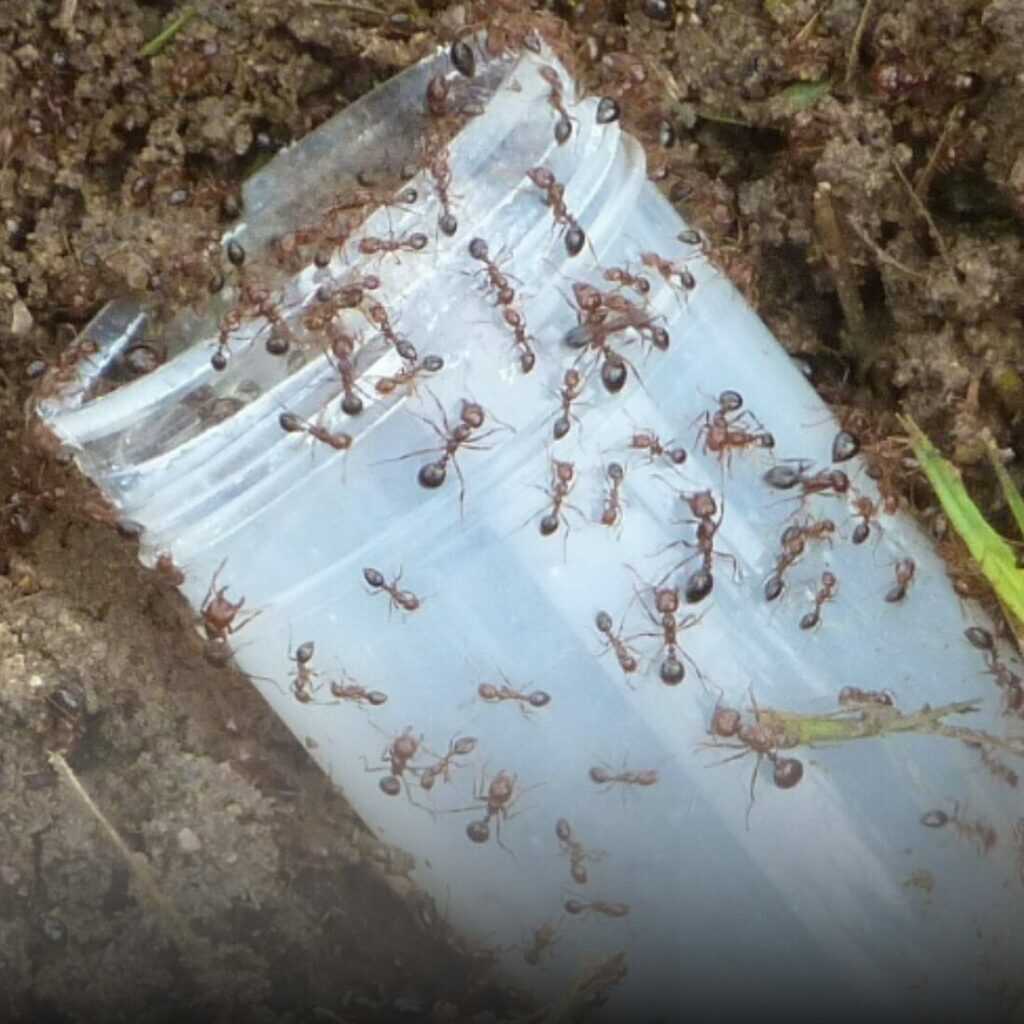
Red Imported Fire Ants spread primarily through human movement of infested soil, turf, and plant material. Every time a trailer load of garden soil, a delivery of mulch, or a truck carrying fill material moves from an infested area to a fire ant-free area, it carries the risk of establishing a new colony at the destination. The National Fire Ant Eradication Program's containment strategy depends entirely on preventing this spread through rigorous movement controls.
The Biosecurity Act 2014 (Queensland) provides the legal framework for these controls, imposing obligations on individuals, businesses, and landholders within declared biosecurity zones. The penalties are substantial and are applied to both intentional and inadvertent breaches — the law does not require the prosecution to prove intent, only that restricted material was moved without authorisation.
What you cannot move without a biosecurity certificate
The following materials are subject to movement restrictions within Queensland fire ant biosecurity zones and cannot be transported out of those zones without a valid Biosecurity Certificate:
- ✗Soil, including topsoil, potting mix, garden soil, compost, mulch, bark chips, and sand
- ✗Turf, sod, and lawn clippings
- ✗Plants with soil attached to roots — including pot plants and bare-rooted stock
- ✗Spent mushroom compost
- ✗Hay, straw, and fodder that has been in contact with soil
- ✗Garden waste including leaf litter, prunings, and green waste
- ✗Machinery, vehicles, and equipment with soil on them — including excavators, bobcats, tractors, and trailers
- ✗Shipping containers, skips, and large removable objects that have rested on soil
- ✗Fill material and excavated material from construction sites within the zone
Common scenarios that inadvertently breach the controls
Moving house within a zone and relocating to outside
Residents moving out of a fire ant biosecurity zone to an address outside the zone are subject to movement controls. This includes garden furniture, pot plants, children's play equipment (sandpits, swing sets), and any soil-contaminated outdoor items. The practical steps: remove soil from all items before transport, do not move pot plants with soil attached, and contact Biosecurity Queensland for guidance on specific items.
Garden renovations and landscape deliveries
A landscaper or garden supply company delivering mulch, soil, or turf from within a biosecurity zone to a property outside that zone must hold a Biosecurity Certificate or operate under an approved industry biosecurity management plan. Residential customers ordering garden supplies should ask their supplier whether their materials originate within a biosecurity zone and whether delivery to an address outside the zone is compliant.
Construction fill and excavated material
Construction projects within fire ant zones that generate excavated soil — even for routine footing work or pool excavation — face movement controls on disposal of that material. Dumping soil from a zone site at a fill location outside the zone without certification is a breach. Site managers and project supervisors must establish a biosecurity management plan and ensure earthworks contractors are aware of their obligations.
Equipment hire and return
Earthmoving equipment hired for work within a fire ant zone and then returned to a depot or moved to a job outside the zone must be cleaned and certified before it crosses the zone boundary. Hire companies operating in high-risk areas are required to have equipment cleaning protocols. If you hire a machine for within-zone work and the hire company's depot is outside the zone, the equipment must be cleaned before return.
How to obtain a biosecurity certificate
Biosecurity Queensland manages the certification process for movement of restricted materials out of fire ant zones. The process depends on the material type and quantity:
- Self-declaration: For some materials, Biosecurity Queensland provides self-declaration checklists and approved treatment methods that allow landholders or businesses to certify their own material as compliant
- Officer inspection: For other material types or larger quantities, a Biosecurity Queensland officer must inspect and certify the material before movement
- Accredited certifiers: Some industry sectors have approved accredited certifiers who can issue certificates under delegation from Biosecurity Queensland
For all queries about obtaining a certificate for your specific situation, call the Biosecurity Queensland hotline.
Biosecurity Queensland
Movement restrictions, certification, reporting
Monday to Friday, business hours
What Jets Pest Control handles on your behalf
When Jets Pest Control treats a fire ant nest on your property using APVMA-approved Fipronil direct nest injection, we prepare and lodge all mandatory Biosecurity Queensland reporting documentation, chemical application records, and photographic compliance evidence on your behalf. This ensures that the treatment is formally recorded in the state's fire ant tracking system and that your property's compliance status is documented. We handle the paperwork — you handle the reporting phone call to 13 22 68 if you are the one who discovered the nest.
Licensed to apply APVMA-approved Fipronil direct nest injection for fire ant eradication across Ipswich and Brisbane. All Biosecurity Queensland reporting and compliance documentation prepared and lodged on your behalf. Contact us immediately if you have identified a suspected fire ant nest on your property.
Confirmed fire ants? We handle treatment and reporting.
APVMA-approved Fipronil treatment. Full Biosecurity Queensland documentation. Ipswich and Brisbane.
Book TreatmentFrequently asked questions
What are the fines for moving soil in a Queensland fire ant biosecurity zone?
What materials cannot be moved out of a fire ant biosecurity zone without a permit?
How do I get a fire ant biosecurity certificate in Queensland?
Does a fire ant biosecurity zone affect building and construction work?
Can I move my garden plants or pot plants out of a fire ant zone?
Will someone report me for moving soil out of a fire ant zone?
Ready to protect your home?
Serving Ipswich and South East Queensland — fixed prices, no hidden extras, 10% off for Seniors, Pensioners, and ADF members.
Call 1300 566 569
