
Termite Inspections · AS 3660.2
How Often Should I Get a Termite Inspection?
For most Ipswich and Brisbane homes, once a year is the bare minimum — but AS 3660.2 recommends every 3 to 6 months in high-risk areas. South East Queensland is high-risk. Here's how to work out the right schedule for your property.
What's the short answer on termite inspection frequency?
Once every 12 months is the minimum recommended under AS 3660.2:2017 — and every 3 to 6 months if your property sits in a high-risk category.
South East Queensland is, without question, a high-risk termite area. The warm temperatures, high humidity, clay-rich soils and the sheer number of destructive termite species found across the region create near-ideal conditions for subterranean termites year-round. For properties across Ipswich and Brisbane, AS 3660.2 explicitly recommends inspections every 3 to 6 months — not annually.
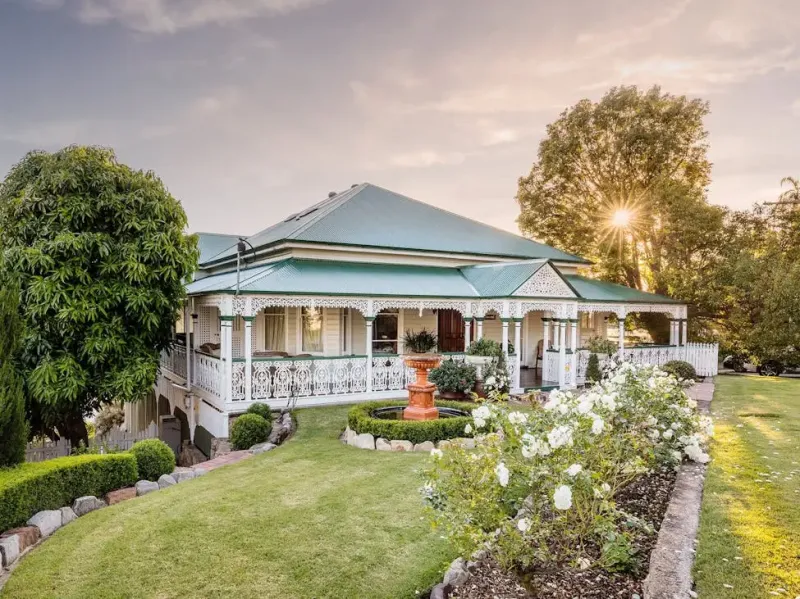
In practice, how often you should inspect comes down to your specific property. A concrete-slab new build with a freshly installed Termidor HE barrier carries lower risk than a 40-year-old timber-frame Queenslander on stumps with a mature fig tree growing close to the house. Both should be inspected at a minimum annually; the latter really should be inspected every 6 months. The factors that push a property into more frequent inspection territory are covered below.
What does Australian Standard AS 3660.2 actually say about inspection frequency?
AS 3660.2:2017 — Termite Management: In and Around Existing Buildings and Structures — is the benchmark Australian Standard that governs termite inspections of existing residential and commercial buildings. It sets out who can conduct an inspection, what must be checked, how the report must be structured, and how often inspections should be carried out.
The Standard recommends that properties be inspected at least every 12 months under typical conditions. Where the property is in a high-risk area or has specific risk factors — previous termite activity, a history of moisture issues, subfloor access restrictions, or certain construction types — the Standard recommends inspections every 3 to 6 months.
AS 3660.2 is referenced directly in Queensland's QBCC licensing framework. A licensed termite inspector must conduct inspections in accordance with this Standard, which means reporting on accessible areas, identifying conducive conditions, noting inaccessible zones, and making clear recommendations — including a recommended re-inspection interval. If your inspection report doesn't include a recommended frequency, ask for one.
No visual inspection can guarantee a property is termite-free. Termites may be active in areas that are inaccessible during the inspection — inside wall cavities, under concrete slabs, or deep within structural timbers. A 'no termites found' result is not a warranty, and inspections carry no warranty.
Why is South East Queensland classified as a high-risk termite area?
Queensland sits in the highest-risk termite zone in Australia, and the reasons are well understood. The climate, soils, native vegetation and built environment across SEQ combine to create conditions that subterranean termites thrive in.
Warm, humid conditions year-round. Unlike cooler southern states where termite activity slows in winter, SEQ sees foraging continue through most of the year. Colonies don't need to slow down here — they can keep eating.
Clay-rich soils retain moisture. Subterranean termites need moisture to survive. The clay soils common across Ipswich and greater Brisbane hold water close to the surface, giving termite colonies a reliable moisture source even in dry periods.
Highly destructive native species. SEQ is home to some of Australia's most aggressive termite species. Coptotermes acinaciformis — widely regarded as the most destructive termite in Australia — is common across Ipswich and Brisbane and can establish enormous colonies inside living trees and structural timbers alike. Schedorhinotermes intermedius, Nasutitermes walkeri, Heterotermes ferox and Microcerotermes turneri are all regularly encountered in the region, each with distinct habits and risk profiles.
A large stock of older timber homes. The Ipswich area has a significant proportion of older timber-frame homes — Queenslanders, post-war hardwood construction and stumped fibro — that provide both food and accessible entry points for termite colonies. The CSIRO Termite Tally, which surveyed more than 5,100 Australian homes, found that roughly 1 in 5 had experienced termite damage, and the risk increases noticeably with the age of the home.
What makes a property higher risk — and when should you inspect more often?
Not all properties in SEQ carry identical risk, even in a high-risk region. Several factors push a property firmly into the 3-to-6-monthly inspection bracket.
Previous termite activity
A property that has had termite damage or active termites in the past faces elevated ongoing risk. Colonies can persist in the surrounding area even after treatment. If your previous inspection found signs of termite activity, or if you've had a treatment carried out, increase inspection frequency to every 6 months at minimum.
Timber-frame or stumped construction
Homes built on timber stumps, or with significant exposed structural timber, give subterranean termites easier access to food and shelter. They also have more areas that are difficult to fully inspect visually, meaning inspections need to happen more often to catch activity before it causes serious damage.
No termite management system in place
Properties without a chemical barrier, a baiting system, or physical termite barriers are relying entirely on inspections as their primary line of defence. In SEQ, that makes the frequency of those inspections critical. Inspections every 6 months are strongly advisable where no management system exists.
Trees, landscaping and moisture issues
Mature trees close to the house — especially species that form large underground root networks — can shelter termite colonies and provide a pathway straight into the structure. Leaky pipes, blocked subfloor vents, poor drainage and mulch piled against the house wall all create the moisture that termites seek out.
Older homes
The CSIRO data is clear: termite damage risk rises with the age of a home. Older homes have had more years of exposure, may have had previous damage that reduced timber integrity, and often have construction features — such as direct timber-to-soil contact, no sub-slab barrier and unventilated subfloors — that modern building codes have moved away from.
Areas inaccessible to inspection
If parts of your home can't be fully accessed during a visual inspection — a sealed subfloor, voids that can't be safely entered, or areas obscured by storage — your inspector will note those areas as 'unable to inspect'. A higher inspection frequency helps offset that limitation by catching activity sooner when it does become visible.
If I have a Termidor HE barrier installed, do I still need regular inspections?
Yes — absolutely, and this point matters. A Termidor HE termite barrier is one of the most effective long-term protections available for a Queensland home, and it's backed by the BASF $2 Million Termidor Assurance Warranty for up to 8 years. But that warranty is conditional on annual inspections being carried out by a licensed inspector.
The reason is straightforward: no chemical barrier is permanent. Termidor HE degrades slowly over time. Ground movement, landscaping work, plumbing excavations, concrete cracking and building extensions can all create gaps in barrier coverage that termites will find if left unchecked. Annual inspections are specifically designed to catch those gaps — and to catch any early termite activity — before a colony gets established inside the structure.
Skipping an inspection doesn't just leave a gap in your protection. It can void the Termidor Assurance Warranty entirely for that year forward, which means a $3,300–$6,600 barrier investment may no longer carry its BASF-backed warranty protection.
Jets Pest Control is a BASF Accredited Termidor Applicator. When we install a Termidor HE barrier, we set customers up with annual inspection reminders so warranty coverage stays intact. See our termite inspection prices.
BASF's Termidor Assurance Warranty requires annual inspections by a licensed inspector to remain valid. Missing an inspection can void the warranty — and with typical Termidor HE installs in SEQ running $3,300 to $6,600, keeping that warranty current is worth protecting.
What does a termite inspection check — and what does it cost in Ipswich and Brisbane?
A visual termite inspection conducted to AS 3660.2:2017 covers all accessible areas of a property for evidence of termite activity, conducive conditions and termite entry points. The inspection report describes findings in each area, identifies any conducive conditions observed, notes inaccessible areas, and recommends a follow-up inspection interval.
At Jets Pest Control, our inspections cover all of the following areas where safely accessible:
- Interior of the dwelling — all rooms, including tapping of skirting boards, architraves and window frames for hollowness
- Subfloor space — soil, piers, bearers and joists, and plumbing penetrations
- Roof void — rafters, top plates, sarking and any stored timber
- Exterior perimeter — weepholes, expansion joints, garden beds, paving and attached structures such as pergolas and decks
- Outbuildings — sheds, fences, retaining walls and timber features in the garden
Reports are completed off-site, thoroughly reviewed, and emailed overnight — never a rushed same-day PDF that misses the detail. We note any areas that couldn't be accessed and explain what that means for your overall risk picture.
For home buyers, a Timber Pest Inspection to AS 4349.3 is the more comprehensive option. It covers not only termites but also wood borers, fungal decay and other timber pests, and is priced from $285 for an apartment to $485 for a 6+ bedroom property.
If an inspection does find termite activity, what happens next depends on the species, location and extent of the damage. For a full breakdown of what treatment costs and what's involved, see our guide to termite treatment costs in Brisbane and Ipswich.
What should I watch for between scheduled inspections?
Scheduled inspections are your safety net — but staying alert between them is worthwhile. Termites are expert at working inside wall cavities and structural timber without any surface sign for weeks or months. That said, there are warning signs worth knowing.
- Mud leads or shelter tubes — thin brown mud tunnels running along walls, piers, pipes or in the subfloor. These are the protected highways termites build to travel between soil and timber without exposing themselves to air.
- Hollow-sounding timber — tap skirting boards, door frames and window sills with your knuckle. A hollow or papery sound where timber should be solid is a warning sign worth reporting promptly.
- Stiff or warped doors and windows — termite damage and the moisture termites carry can cause timber frames to swell, making doors and windows suddenly difficult to open or close.
- Discarded wings — after a termite alate swarm (typically in warm, humid weather from spring through autumn), you may find small piles of shed wings near window sills, lights or vents.
- Tiny holes in timber or drywall — exit holes, sometimes with fine powdery residue around them, can indicate drywood or dampwood termite activity.
If you spot any of these between inspections, don't disturb the area and contact a licensed termite inspector promptly. Disturbing active termite workings can cause the colony to retreat, making subsequent treatment more difficult.
Frequently Asked Questions
Termite inspection frequency — your questions answered
How often does AS 3660.2 recommend termite inspections?
AS 3660.2:2017 recommends termite inspections at least every 12 months for most properties, and every 3 to 6 months for properties in high-risk areas or with specific risk factors — such as previous termite activity, timber-frame construction on stumps, restricted inspection access, or significant conducive conditions. Your licensed inspector should note the recommended re-inspection interval in your inspection report.
Is South East Queensland — including Ipswich and Brisbane — a high-risk termite area?
Yes. South East Queensland is one of the highest-risk termite regions in Australia. The warm, humid climate allows termite colonies to remain active for most of the year, and highly destructive species such as Coptotermes acinaciformis, Schedorhinotermes intermedius and Nasutitermes walkeri are common across Ipswich and Brisbane. Under AS 3660.2, most SEQ properties should be inspected every 3 to 6 months rather than annually.
Do I still need annual inspections if I have a Termidor HE barrier?
Yes. Annual inspections by a licensed inspector are a condition of BASF's $2 Million Termidor Assurance Warranty, which covers eligible Termidor HE installations for up to 8 years. Missing an inspection can void the warranty for that year forward. Chemical barriers also degrade over time and can be disrupted by ground movement or building work, so inspections are essential to verify coverage remains intact.
How much does a termite inspection cost in Ipswich or Brisbane?
Jets Pest Control's visual termite inspections to AS 3660.2 are priced by property size: $185 for an apartment or flat, $235 for a townhouse or duplex, $285 for a 1–4 bedroom house, $335 for a 5-bedroom home, and $385 for a 6-bedroom or larger property. All prices include GST, and there are no call-out fees. A 10% discount applies for Seniors, Pensioners and serving or retired Defence Force members on their principal place of residence. See our full termite inspection prices.
Can I do my own termite inspection instead of paying for a professional?
You can look for visible warning signs — mud leads, hollow-sounding timber, discarded wings — but a DIY walkthrough is not a substitute for a professional inspection conducted to AS 3660.2. A licensed inspector uses specialist equipment, knows where termites are likely to hide, and has access to subfloor spaces and roof voids that a homeowner may not be able to safely reach. For insurance purposes and for the Termidor Assurance Warranty, only a licensed inspector's report is accepted.
What if no termites are found — do I still need to book the next inspection?
Yes. A 'no termites found' result means no active termites were identified in accessible areas at the time of the inspection — it is not a guarantee that the property is termite-free. Termites may be present in inaccessible areas, or activity may establish in the weeks or months following the inspection. Your report will include a recommended re-inspection date. Following that schedule is the only reliable way to stay ahead of termite activity in SEQ's high-risk climate.
Jets Pest Control · Ipswich & Brisbane
Ready to book your termite inspection?
QBCC licensed, AS 3660.2 compliant, reports delivered overnight. Fixed upfront prices, no call-out fees, and a local expert responds within 2 hours — not a call centre.
Book your termite inspection
Annual inspections protect your home's value.
Serving Ipswich and South East Queensland — fixed prices, no hidden extras, 10% off for Seniors, Pensioners, and ADF members.

